


Video Library
Video Library
Video Library
Scroll down

In this 6-lesson unit, students will learn to recognize signs of mental health struggle and how to be there for others.

Students will learn to recognize their limits and how to take care of their own mental health.
Students will learn the difference between a mental health struggle and crisis, how to start a conversation with someone who is struggling with their mental health, and what to do if someone is in crisis.
Students will learn how to build trust and find practical ways to help someone through their day to day life.
Students will learn what it means to be a good listener and how to balance the conversation.
Students will learn what their role is - and is not - when supporting someone and how to set boundaries to protect their relationships and their own mental health.
In this lesson, your students will learn to access professional and community resources and what to expect from them.
As part of the Jack Talks program, this On Demand Talk uses peer-to-peer learning to teach young people across Canada that we all have mental health and we all need to care for it. Jack Talks aim to reduce barriers to help-seeking through the goals of all Jack.org programs: increasing mental health awareness, knowledge, and literacy; reducing negative attitudes like shame, stigma, and silence; and advocating for more appropriate and accessible services.
As a follow-up to Jack Talk On Demand: Mental Health Essentials, students have the opportunity to revisit some of the key ideas shared by the speakers. Students can consolidate their learning through discussion, reflection, and application of knowledge.
Building on the previous lesson, students deepen their understanding of resilience by exploring how protective factors help people adapt to change and navigate challenges. Through realistic scenarios, discussion, and reflection, students apply their learning to identify supportive relationships, personal strengths, healthy coping strategies, and community resources that help build resilience over time.
This lesson builds on students' understanding of resilience and the protective factors that support mental well-being, introduced in the previous lesson, by exploring these concepts in greater depth. Through collaboration and reflection, students create a shared resilience toolkit that highlights practical strategies, coping skills, supportive relationships, and encouraging reminders they can draw on when navigating change and challenges.
Our Jack Talk on Navigating Change is delivered by trained youth speakers who share their own story and experiences with change. Students explore the many transitions we face in life, including academic transitions and identity development, and how these can affect our mental, emotional, and physical well-being. They’ll also practice self-awareness, explore uncertainty and thinking traps, and build skills to navigate change with greater intention, grow through change, and build resilience.
This lesson consolidates students' learning from the Navigating Change series and accompanying Jack Talk. Students review key concepts, make connections between change, resilience, and protective factors, and begin a summative resilience plan that demonstrates their understanding of how these concepts can support well-being and future growth.
This video-based lesson helps students explore empathy, inclusion, and community connection to support youth well-being after emergencies and disruptive events. Students learn to recognize the emotional impact of crises, understand ways to foster safe and inclusive spaces, practice supportive communication, and develop skills to help peers and communities recover while maintaining their own well-being.
This video-based lesson helps students explore how rising living costs and financial uncertainty can affect emotions, relationships, and sense of future. Students learn to recognize stress and worry related to financial pressures, understand common emotional and social reactions, and develop strategies to cope, reduce stigma around financial challenges, and connect with trusted supports.
This video-based lesson helps students explore how news and world events can affect emotions, relationships, and daily routines. Students learn to recognize signs of stress, set boundaries with news and social media, navigate difficult conversations respectfully, connect with trusted supports, and use practical strategies to cope with overwhelm.
In this video-based lesson, speakers discuss how climate emergencies, such as wildfires, can affect Indigenous mental health and community connection. They explore the emotional impact of displacement, why Indigenous communities are often disproportionately affected, and practical ways young people can support themselves and others.

Students will reflect on their digital interactions and their effects, whether through social media, games, apps, or other online platforms.
In this activity, students reflect on how different online spaces, people, and content affect their mood and mindset, recognizing which support their well-being and which tend to drain or distract them. They then decide what to keep, limit, or let go of.
In this activity, students examine when their screen use feels automatic or unhelpful, then create small, realistic strategies to pause or replace those habits in support of their well-being.
This activity focuses on the importance of active listening, especially when someone shares a mental health struggle.
In this activity, students explore what stops people from asking for help with their mental health and introduces the importance of offering support and connecting to help.

Hear Maryam and Aswani share how friendship, listening, and respecting each other’s choices helped them navigate mental health challenges and recovery.

Explore the self-care pyramid and learn how small, everyday actions can support your mental health and well-being, from basic needs to long-term care.

Jessie and Manvir show how active listening, open-ended questions, and checking in over time help someone feel heard, understood, and supported.

Learn how to care for your own mental health while supporting others, including checking in with yourself, taking breaks, and reaching out for help when you need it.

T'áncháy and Lindsay share how Indigenous youth find strength from the land, each other, laughter, and hope in the face of grief and adversity.

Learn how to connect a friend experiencing mental health challenges to support, navigate barriers to care, and follow up so they know you’re there.

Erica shares how supporting Liv meant being her sister, not her therapist, while offering love, accountability, and healthy boundaries.

Bri and Netta reflect that sometimes supporting someone just means sitting with a friend, listening, and being there.

Shayan explains how knowing your role means offering support, setting boundaries, recognizing biases, and connecting friends with helpful resources.

This campaign’s video shows young people earning game-style achievements for practicing skills like listening, checking in, and supporting friends.

Ashley shares how hearing someone out means asking open-ended questions, embracing silence, and listening without making the conversation about you.

Henry and Nightingale are friends who share how opening up about mental health builds trust, reduces stigma, and shows the power of simply listening.
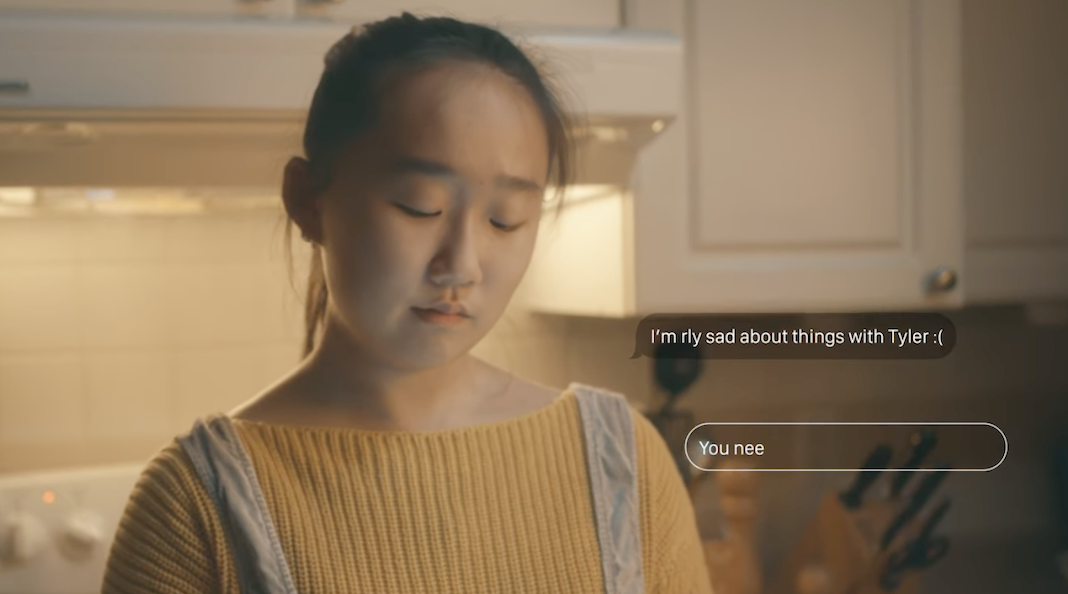
This video shows young people earning game-style achievements for practicing skills like listening, checking in, and supporting friends.

A mother and son reflect on how listening, embracing differences, and showing support helped turn cultural barriers into deeper connection.

Shaiya and Shawn share how honest feedback, encouragement, and making time for one another demonstrate that showing you care can make all the difference.

Starting a mental health conversation can be hard. Charlotte shares how saying what you see can help someone feel seen, supported, and understood.

This video shows young people earning game-style achievements for practicing skills like listening, checking in, and supporting friends.

A mother and daughter reflect on recognizing changes in behavior and how saying what you see opened the door to honest, supportive conversations.

Mohammad shares how showing you care means taking action, offering support, and asking what someone needs to feel supported and understood.

Sometimes, though we mean well, we find ourselves giving unsolicited advice to a friend in need. Here's your reminder that the Be There Golden Rules can help you navigate though conversations with healthy boundaries. Head to BeThere.org to get started today!

Healthy support means knowing your limits. Estyr and Kirbie show how boundaries can protect both your well-being and your friendship.

Mel and Matt show how listening without judgment, validating feelings, and asking how you are can help remind someone they don't have to struggle alone.

Know someone struggling with their mental health?
Be There is a game-changing mental health resource that teaches anyone how to support people when they're struggling with their mental health. Whether you have 5 minutes or 5 hours, get started at BeThere.org.
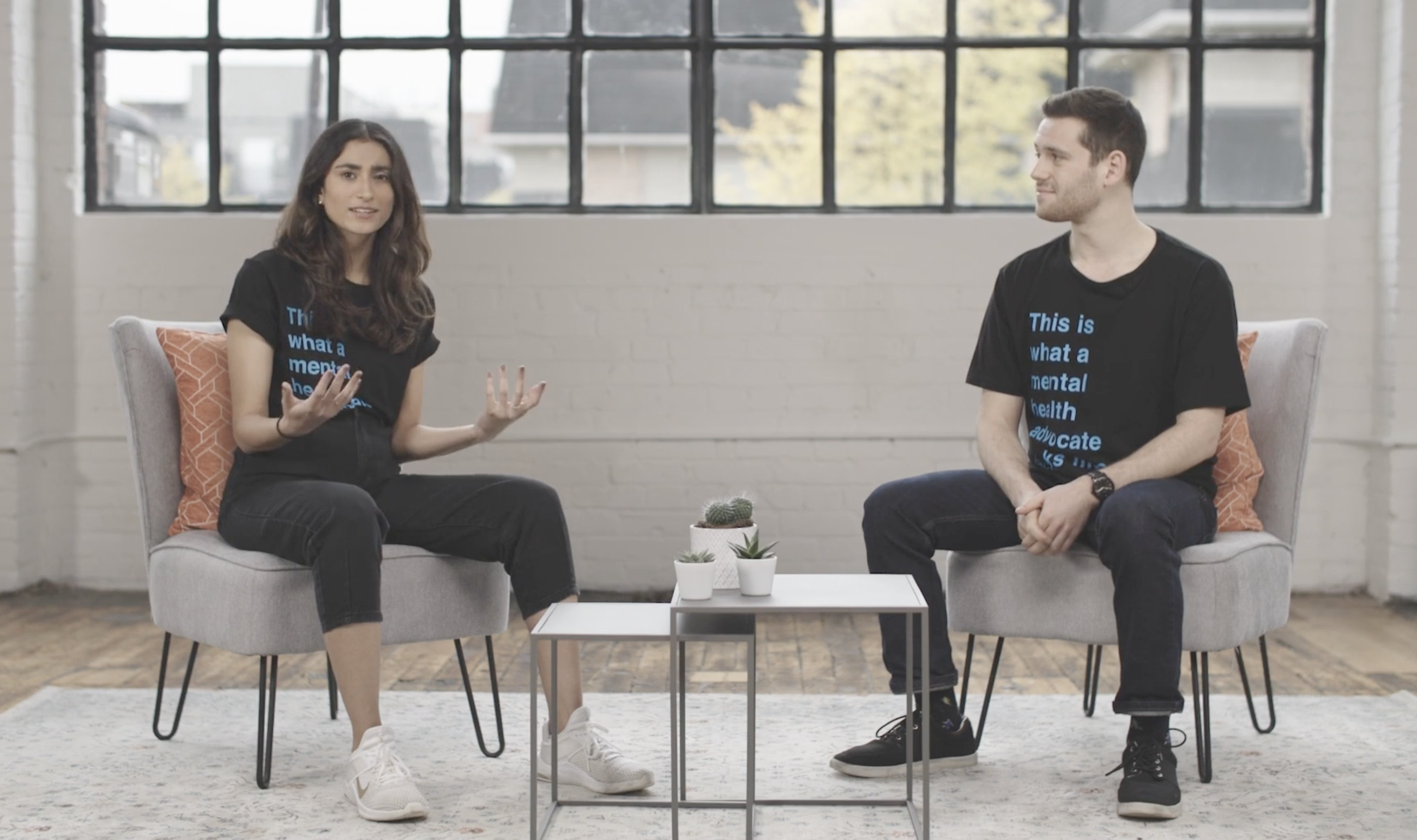
As part of the Jack Talks program, this On Demand Talk uses peer-to-peer learning to teach young people across Canada that we all have mental health and we all need to care for it. Check out the accompanying classroom-ready lesson here
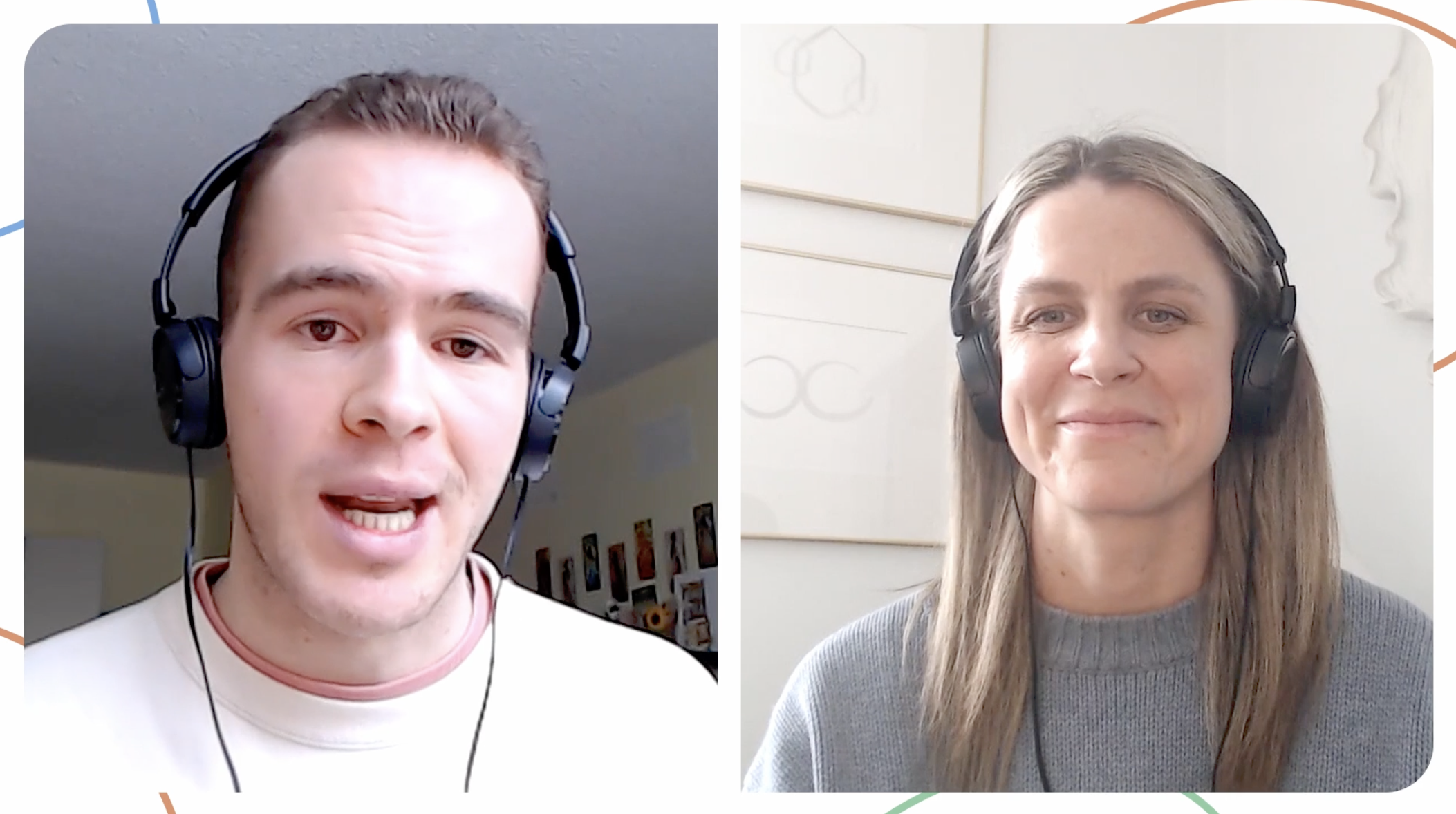
This video lesson helps students build empathy, inclusion, and supportive communication skills to strengthen community well-being after emergencies.
Looking for more ways to support mental health in your area? Check out more ways to get involved with Jack.org’s mental health work.

Jack.org is a Canadian charity that works alongside youth to build the mental health future we need.
This is not a site for personal disclosure of mental health distress, suicidal thoughts or behaviours. If you or someone you know is in crisis, please call a helpline, 9-1-1 or emergency services, or go to your nearest emergency department.
Registered Canadian Charitable Organization number: 84852 1837 RR0001

This is not a site for personal disclosure of mental health distress, suicidal thoughts or behaviours. If you or someone you know is in crisis, please call a helpline, 9-1-1 or emergency services, or go to your nearest emergency department.
If someone’s thoughts or behaviours threaten the safety of themselves or others, then this is what’s called a mental health crisis. Call a helpline, 9-1-1 or emergency services. If someone has recently hurt themselves, but is no longer in danger, follow Be There’s Golden Rules and connect them to resources in their area.
