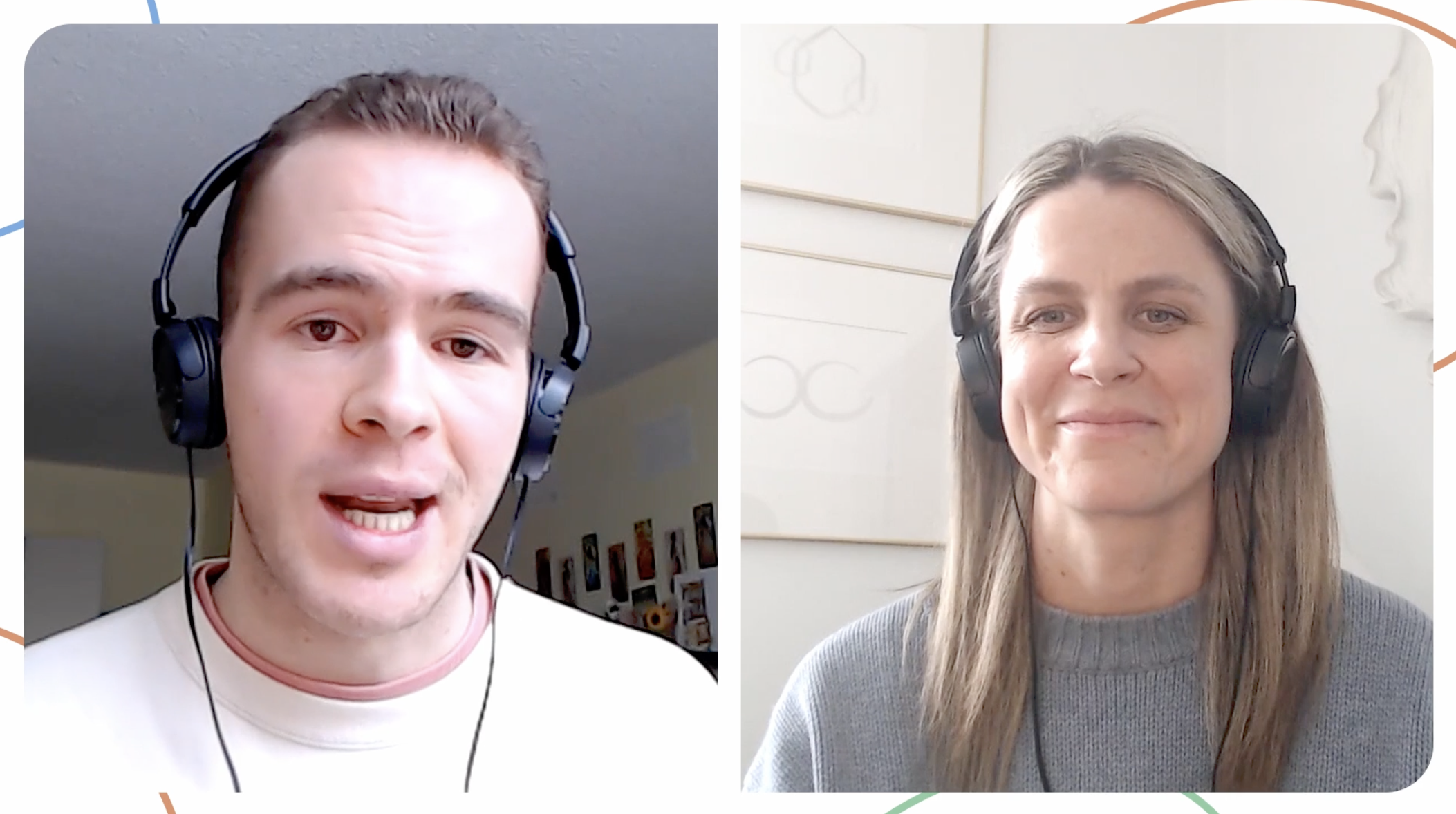
In this 6-lesson unit, students will learn to recognize signs of mental health struggle and how to be there for others.
Students will learn to recognize their limits and how to take care of their own mental health.
Students will learn the difference between a mental health struggle and crisis, how to start a conversation with someone who is struggling with their mental health, and what to do if someone is in crisis.
Students will learn how to build trust and find practical ways to help someone through their day to day life.
Students will learn what it means to be a good listener and how to balance the conversation.
Students will learn what their role is - and is not - when supporting someone and how to set boundaries to protect their relationships and their own mental health.
In this lesson, your students will learn to access professional and community resources and what to expect from them.
As part of the Jack Talks program, this On Demand Talk uses peer-to-peer learning to teach young people across Canada that we all have mental health and we all need to care for it. Jack Talks aim to reduce barriers to help-seeking through the goals of all Jack.org programs: increasing mental health awareness, knowledge, and literacy; reducing negative attitudes like shame, stigma, and silence; and advocating for more appropriate and accessible services.
As a follow-up to Jack Talk On Demand: Mental Health Essentials, students have the opportunity to revisit some of the key ideas shared by the speakers. Students can consolidate their learning through discussion, reflection, and application of knowledge.
This video-based lesson helps students explore empathy, inclusion, and community connection to support youth well-being after emergencies and disruptive events. Students learn to recognize the emotional impact of crises, understand ways to foster safe and inclusive spaces, practice supportive communication, and develop skills to help peers and communities recover while maintaining their own well-being.
This video-based lesson helps students explore how rising living costs and financial uncertainty can affect emotions, relationships, and sense of future. Students learn to recognize stress and worry related to financial pressures, understand common emotional and social reactions, and develop strategies to cope, reduce stigma around financial challenges, and connect with trusted supports.
This video-based lesson helps students explore how news and world events can affect emotions, relationships, and daily routines. Students learn to recognize signs of stress, set boundaries with news and social media, navigate difficult conversations respectfully, connect with trusted supports, and use practical strategies to cope with overwhelm.
In this video-based lesson, speakers discuss how climate emergencies, such as wildfires, can affect Indigenous mental health and community connection. They explore the emotional impact of displacement, why Indigenous communities are often disproportionately affected, and practical ways young people can support themselves and others.
Students will reflect on their digital interactions and their effects, whether through social media, games, apps, or other online platforms.
In this activity, students reflect on how different online spaces, people, and content affect their mood and mindset, recognizing which support their well-being and which tend to drain or distract them. They then decide what to keep, limit, or let go of.
In this activity, students examine when their screen use feels automatic or unhelpful, then create small, realistic strategies to pause or replace those habits in support of their well-being.
This activity focuses on the importance of active listening, especially when someone shares a mental health struggle.
In this activity, students explore what stops people from asking for help with their mental health and introduces the importance of offering support and connecting to help.
Together in Change: Building Belonging After Disruption
Thank you for the information!
Here's your download link:
This is not a site for personal disclosure of mental health distress, suicidal thoughts or behaviours. If you or someone you know is in crisis, please call a helpline, 9-1-1 or emergency services, or go to your nearest emergency department.
If someone’s thoughts or behaviours threaten the safety of themselves or others, then this is what’s called a mental health crisis. Call a helpline, 9-1-1 or emergency services. If someone has recently hurt themselves, but is no longer in danger, follow Be There’s Golden Rules and connect them to resources in their area.
Your submission has been received!